How ADF are driving sustainable change in Film & TV across the North of England
Interview by Screen Alliance North:
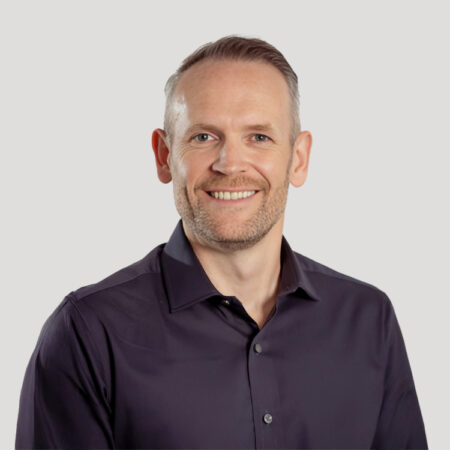
As the leading provider of premium production facilities to the UK’s film and high-end television industry, Screen Alliance North questioned ADF’s Chief Operating Officer James Long on sustainability at the organisation.
What does sustainability mean to ADF?
Sustainability sits right at the core of what we do at ADF. It’s built into our ESG strategy and shapes how we operate every day. For us it means continuing to deliver an excellent service to productions but doing so while minimising our impact on the environment.
It’s about working towards our long-term net-zero ambitions, reducing emissions wherever possible, and making informed decisions that protect the future of our industry and the communities we work in. We follow the Albert framework, measuring and reporting our emissions so we can actively reduce our carbon footprint rather than just offset it.
We also know we can’t do this alone, so we collaborate with others across the industry, as well as work with leading sustainability experts Neptune Sustainability, to stay up to date with the latest knowledge, technology, and compliance requirements.
Sustainability isn’t a side project for us; it’s part of how we operate as a business and how we plan to continue evolving and supporting our customers.
How are you transitioning to green energy and what are the steps taken introducing this into your business?
We’ve made significant progress in transitioning our operations to greener energy sources, with one of the biggest steps being the expansion of our hybrid power capability. After trialling our first hybrid generator in 2023, we now have eleven hybrid units in 2025, around half of our generator fleet.
All of our generators are 100% HVO-compliant, and we’ve invested in HVO bunkering across our four main operating depots. This allows us to supply sustainable fuel nationwide while reducing transport miles. For example, productions filming in the North can draw directly from our Manchester depot rather than relying on long-distance deliveries, lowering both our footprint and costs.
Across our wider fleet we operate Euro 5 tractor units and continue to upgrade vehicles to cleaner engine standards as part of our renewal programme. These are just a few examples of what we’re doing but the overall aim is to keep building this capacity internally and strategically, so that every new depot, vehicle, and operational decision helps accelerate our shift towards low-carbon energy.
(For a full overview of ADF’s sustainability initiatives, you can check out their website here.)
How are productions responding?
Production response is genuinely a mix, and that’s the reality of where the industry currently is. The willingness is definitely there; everyone wants to operate more sustainably, but financial pressures can make uptake challenging.
That said, we’re pleased that all productions we work with are now using HVO in their generators, and the demand for hybrid systems is growing. We would love to invest even further and faster, but uptake needs to match investment, especially in such a competitive market.
As mobile power regulations become more defined and offer improved guidance, productions will naturally shift more towards battery-led hybrids. Looking ahead, we see potential in electric tractor units and further electrification of bases, but the funding and infrastructure need to be there.
We’re always exploring alternatives such as solar and hydrogen, however the technology isn’t yet at a point where it’s scalable for large productions, especially with UK weather and costs. Still, compared to five years ago, the industry has come a long way. Costs are dropping, targets are emerging, and the direction of travel is positive.
Leading positive behaviour change in the industry is key. What are your actions to lead this change?
A lot of the change we’re seeing starts with open conversations, and that’s why we make a point of getting involved in many industry working groups. Our involvement with organisations such as Screen Alliance North, Screen Manchester and the Screen Alliance North.
Sustainability Working Group is a big part of that. These sessions help build awareness, normalise sustainable choices and, importantly, close the knowledge gap that still exists across the sector.
One of the biggest barriers to progress is a lack of trust and understanding around the technology – how hybrid systems work, how HVO is sourced, what the real benefits are. By taking part in these working groups, we can share data, experience and insight directly with productions, crew and other suppliers.
The more aligned and informed we all become, the easier it is to drive consistent behaviour change across the industry.
We understand ADF has Location One and Autotrak in the group? Are you driving sustainability across the group?
Sustainability runs across the entire group, not just within ADF, and each company plays a key role in driving that agenda forward. We carry out annual carbon-footprint reporting across all three businesses so we can track progress consistently and make informed decisions together.
Location One has sustainability embedded into everything they do. In many ways, their approach has helped accelerate our own focus since joining the group. Their commitment to more eco-responsible practices, from water and waste-management innovations to reusable infrastructure solutions, means they naturally bring a sustainability-first mindset to every project. Together, we’ve developed EcoBase, our joint sustainable unit-base solution, which helps productions reduce waste, energy use and operational inefficiencies.
Autotrak adds further environmental value through its portable trackway products. While many panels are made from recycled materials, the lightweight QuickTrack product provides an added benefit by allowing more panels to be transported per load – reducing journeys, lowering emissions, and enabling productions to maximise ground coverage with less environmental impact.
By aligning the values and shared ambitions of all three companies, we’re able to offer productions a more integrated, lower-impact service – bringing together practical innovation, operational efficiency and forward-thinking sustainable practices across the industry
How do you see sustainability in the industry in the next 5 years?
We expect the next five years to bring a major acceleration in sustainable mobile power. Albert is already setting clear targets for productions to prioritise battery-first systems, and that will drive big improvements in generator and hybrid-battery technology.
We will also see continued development in solar and hydrogen – as mentioned earlier these are solutions we’re actively exploring, although they need further investment and infrastructure before they can work at scale.
Fleet transition will be another major focus, moving towards electric vehicles wherever possible. But the big challenge is funding. To make rapid change, the industry will need more support and broader grants to help productions and suppliers switch to sustainable transport and power more quickly.
We’re already seeing fully electrified models in the events industry, and we hope to see similar progress in film and TV. It’s coming – and the more we collaborate as an industry, the faster we’ll get there.
Published on December 1st, 2025