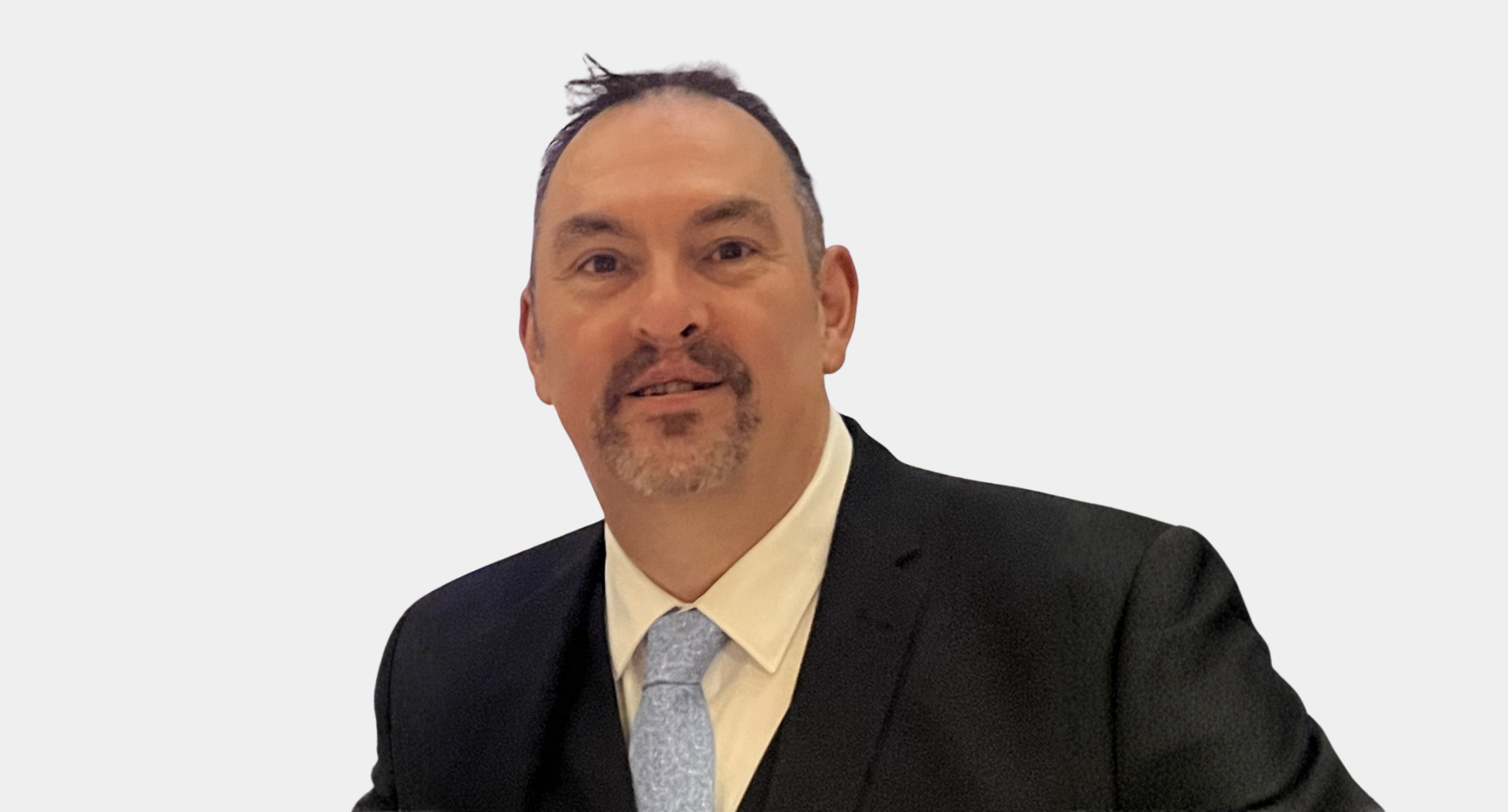
A Day in the Life: Tim Baxter, Logistics Manager
Q1: What does a typical week look like for you in the planning team?
No two weeks are ever the same, which is one of the things I enjoy most about the role. A typical week starts with reviewing upcoming productions, confirming vehicle and driver requirements, and checking plans against the latest information from account managers. From there, it’s a mix of responding to short-term changes – such as schedule shifts or last-minute requests – and forward planning to make sure we’re resourced efficiently. Communication is constant, whether that’s with drivers, planners, depot teams or account managers.
Q2: What goes on behind the scenes that people might not always see?
A lot of our work happens behind the scenes. People see the vehicles arrive on time, but they don’t always see the hours spent building schedules, considering driver hours, route planning, fuel strategy, site access, and contingency plans. We’re constantly stress-testing plans against potential risks, so if something changes on the day, we already have options in mind. The aim is to make the complex look simple from the outside.
Q3: How does planning support productions staying on schedule and on budget?
Good planning reduces uncertainty. By allocating the right vehicles at the right time, minimising unnecessary movements, and anticipating issues before they arise, we help productions avoid delays and additional costs. Clear plans also mean fewer last-minute changes, which is better for efficiency and for keeping budgets under control.
Q4: Sustainability is a key focus for ADF – how does that influence your planning?
Sustainability is built into every plan we create. That includes choosing the most efficient routes, reducing empty mileage and making the best use of lower-emission options where possible. The introduction of HVO bunkers at all our main depots has been fantastic, it allows us to plan fuel usage more confidently and consistently, supporting carbon reduction without compromising operational reliability.
Q5: What’s the biggest challenge in your role?
Managing change is probably the biggest challenge. Productions evolve quickly and plans can shift at short notice, so it’s about staying flexible while maintaining control and ensuring safety, compliance and efficiency are never compromised.
Q6: Can you share an example that really highlights the scale of planning at ADF?
One week that stands out involved supporting 51 production moves, accounting for over 500 trailer movements across the UK. This included productions in Cornwall, Birmingham, Scotland, Manchester, Wales and London – many with multiple moves in the same week. With tight turnaround times and ongoing changes, it required constant re-planning, clear communication and close teamwork. Seeing everything delivered on time was something I was incredibly proud of.
Q7: What do you enjoy most about being a planner at ADF?
I enjoy the variety and responsibility. Every day brings a new challenge, and there’s real satisfaction in knowing that strong planning plays a key role in a production running smoothly. Being part of a knowledgeable and supportive team at ADF makes it even more rewarding.
Published on January 20th, 2026